
WISMO Zero: 7 Steps to Cut “Where Is My Order?” Tickets

“Where is my order?” remains one of the most costly customer service issues in eCommerce. WISMO tickets increase contact centre load, erode customer confidence and inflate cost-to-serve, particularly during Peak. For Ops and CRO teams, reducing WISMO is not just a CX goal; it is a margin and conversion priority.

Out-of-Home (OOH) delivery is emerging as one of the most effective ways to reduce WISMO at scale. Lockers, PUDO points, and Click and Collect remove many of the friction points that trigger customer queries; including missed deliveries, unclear ETAs and failed handovers. The GFS Basket Abandonment Report 2025 reinforces that customers who feel in control of delivery are significantly less likely to contact support post-purchase.

We have created a practical guide outlining how to use Out-of-Home delivery to move towards WISMO Zero.

OOH Adoption

Out-of-Home delivery gives customers the flexibility that home delivery often cannot. Lockers, PUDO and Click and Collect allow parcels to be collected when it suits the customer, not when a courier arrives. This shift alone removes several common WISMO triggers, including missed deliveries, rescheduling confusion and carded parcels.

OOH adoption is growing quickly across the UK, driven by urban density, hybrid working and sustainability concerns. According to data published in 2024, locker usage continues to rise year-on-year as consumers prioritise convenience and predictability.

From an operations perspective, OOH delivery introduces more predictable handover points and clearer delivery milestones. From a CRO perspective, it increases perceived delivery control at checkout, which directly supports conversion. Retailers that surface OOH options early in the journey consistently see reduced post-purchase anxiety.

Shipping software such as GFS Checkout enables retailers to offer multiple OOH options across carriers without adding operational complexity, ensuring a consistent experience across regions and order volumes.

Cost-to-Serve vs Success Rates

Home delivery failures are expensive. Each failed attempt increases last-mile costs, creates reprocessing work and often triggers WISMO contact. OOH delivery typically achieves higher first-time success rates because parcels are delivered to fixed, staffed or secure locations.

While locker and PUDO deliveries may carry a slightly different unit cost, the overall cost-to-serve is often lower once failed deliveries, customer service interactions and reattempts are factored in. Fewer delivery exceptions mean fewer inbound contacts and faster resolution when issues do occur.

Our Basket Abandonment Report 2025 highlights that delivery reliability is one of the strongest predictors of repeat purchase. Reducing WISMO is therefore not just about support efficiency but about lifetime value.

By consolidating delivery data across carriers, GFS Operations helps Ops teams monitor delivery success rates and identify where OOH options deliver the biggest efficiency gains.

Returns via OOH

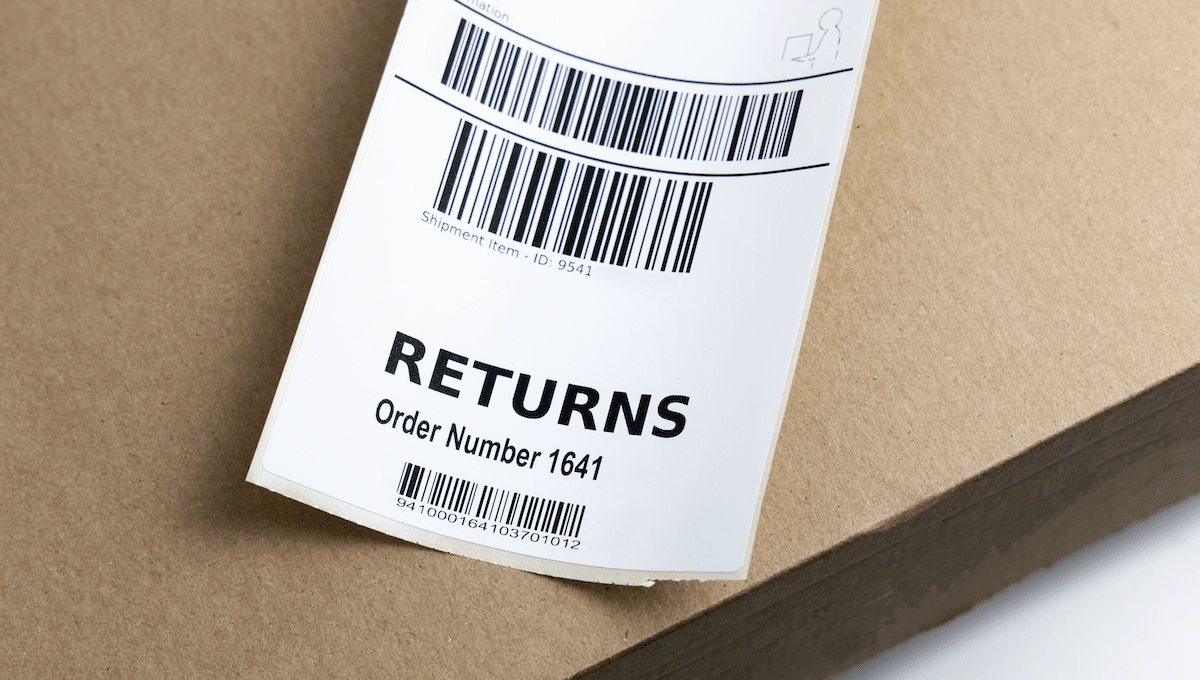
Returns are another major WISMO driver. Customers frequently contact support to ask where to return items, whether labels are valid or when refunds will be issued. OOH returns simplify this process.

Lockers and PUDO points provide clear, repeatable return journeys. Customers know exactly where to go and when, reducing uncertainty and follow-up questions. For Ops teams, OOH returns also improve consolidation and forecasting, particularly during Peak returns periods.

From a CX perspective, easy returns reinforce trust. When customers can drop off returns without waiting at home or visiting a post office, satisfaction increases and contact rates fall. This is especially effective for fashion, footwear and subscription-based categories.

For retailers operating cross-border, GFS Returns Management extend OOH benefits into international returns, reducing complexity for both global customers and warehouse teams.

Rollout Phases

OOH delivery works best when rolled out in controlled phases rather than as a single switch-on.

Phase one should focus on high-density urban areas where locker and PUDO networks are strongest. These locations often service the fastest WISMO reduction and clearest data signals.

Phase two can expand to commuter belts and mixed residential areas, supported by customer education at checkout and in post-purchase communications.

Phase three involves optimisation. This includes refining carrier mix, adjusting default delivery options and aligning OOH availability with product size, value and urgency.

Throughout rollout, tracking WISMO contact volume, delivery success rates and repeat purchase behaviour is critical. Data-led iteration ensures OOH delivery supports both Ops efficiency and CRO objectives.

How GFS Helps Retailers Achieve WISMO Zero

Reducing “Where is my order?” tickets requires more than good tracking emails. It requires delivery choices that give customers control and remove friction from the last mile. Out-of-Home delivery is one of the most effective tools available to achieve this, lowering cost-to-serve while improving satisfaction and conversion.

GFS combines multi-carrier delivery management, expertise, technology and hands-on customer support to help retailers implement OOH delivery at scale. From checkout configuration to operational rollout and ongoing optimisation, GFS ensures delivery works harder for your business and your customers.

Click & Collect from retail partners and high street locations

Parcel Lockers for 24/7, contact-free access

Parcel Shops in convenient, trusted local stores

75,000+ locations UK & International

Parcel Shops

Parcel Lockers

Collect Instore