

International Trade News September 2026

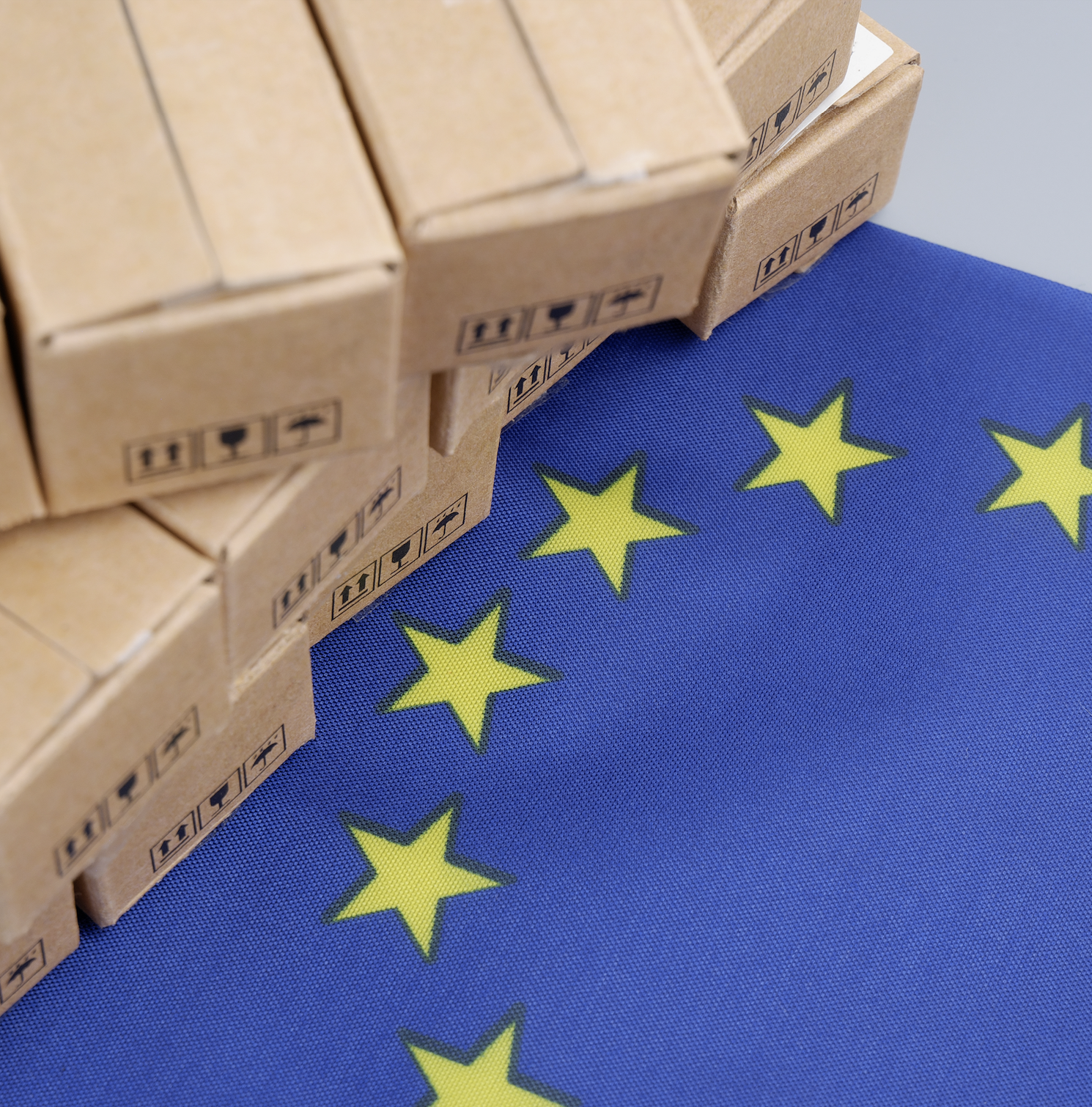
EU Product Identifiers Become Mandatory from 1st November 2026
From 1st November 2026, businesses selling goods online to consumers in the EU must provide product identifiers (PIDs) on customs declarations. Voluntary submission opened on 1st July, but from November missing or inaccurate data could lead to shipments being held or rejected.
Three identifiers are reported for each product line:
- Merchant Product Identifier (M-PID) – your own SKU or item code. Mandatory.
- Manufacturer Product Identifier (NS-PID) – the manufacturer or supplier’s own product code. Mandatory.
- Standardised Product Identifier (S-PID) – a barcode such as a GTIN or EAN. Required where one exists.
The rule applies to all B2C distance sales regardless of value, so it reaches further than the €3 duty introduced in July. B2B shipments to VAT-registered customers are exempt.
What now?
Check your product catalogue holds these codes for every SKU you ship to the EU, and that they flow through to your shipping data. A separate EU handling fee has also been discussed but is not yet confirmed. We’ll update you as soon as it is.

New EU Packaging Rules Now in Force
The EU Packaging and Packaging Waste Regulation (PPWR) has applied since 12th August 2026, replacing the old packaging directive with one set of rules for every member state.
For UK retailers selling direct to EU consumers, you will usually be treated as the “producer” of the packaging your goods arrive in. That means:
- Registering in each EU country you sell into
- Appointing an authorised representative in those countries
- Paying national packaging fees
Some good news: the European Commission has proposed suspending the authorised representative requirement for businesses selling direct to consumers, though this is still being reviewed. Online marketplaces must also now check that their sellers are properly registered, so expect questions from the platforms you use.

UK Confirms End of £135 Low-Value Import Relief
The UK government has confirmed that the £135 customs duty relief on low-value imports will be removed. Originally planned for March 2029, the date has been brought forward to October 2028.
Import VAT rules stay the same. The change removes the duty relief only, and new data and compliance requirements will follow.
Why it matters: For UK retailers, this helps level the playing field with overseas sellers shipping low-value parcels duty-free into the UK. It also mirrors the direction of travel in the EU and US, where low-value exemptions are already being removed.

Peak Season 2026: Is One Carrier Enough?
Peak surcharges from the major carriers are starting earlier this year, with some beginning in late September and running through to mid-January 2027. The highest charges fall between late November and the end of December.
Add capacity limits, weather disruption and the new EU data rules landing on 1st November, and the risk of relying on a single carrier grows. A multi-carrier strategy gives you backup options, better cost control and more reliable delivery promises when it matters most.
Looking Ahead
The final quarter brings Peak trading and new EU customs data rules at the same time. Getting your product data, packaging compliance and carrier mix right now will make all the difference in November and December.
Need support?